Spec sheets are marketing documents. They are useful, but some numbers matter far more than others. This is the order we use when comparing models.
1. Chipset and RAM
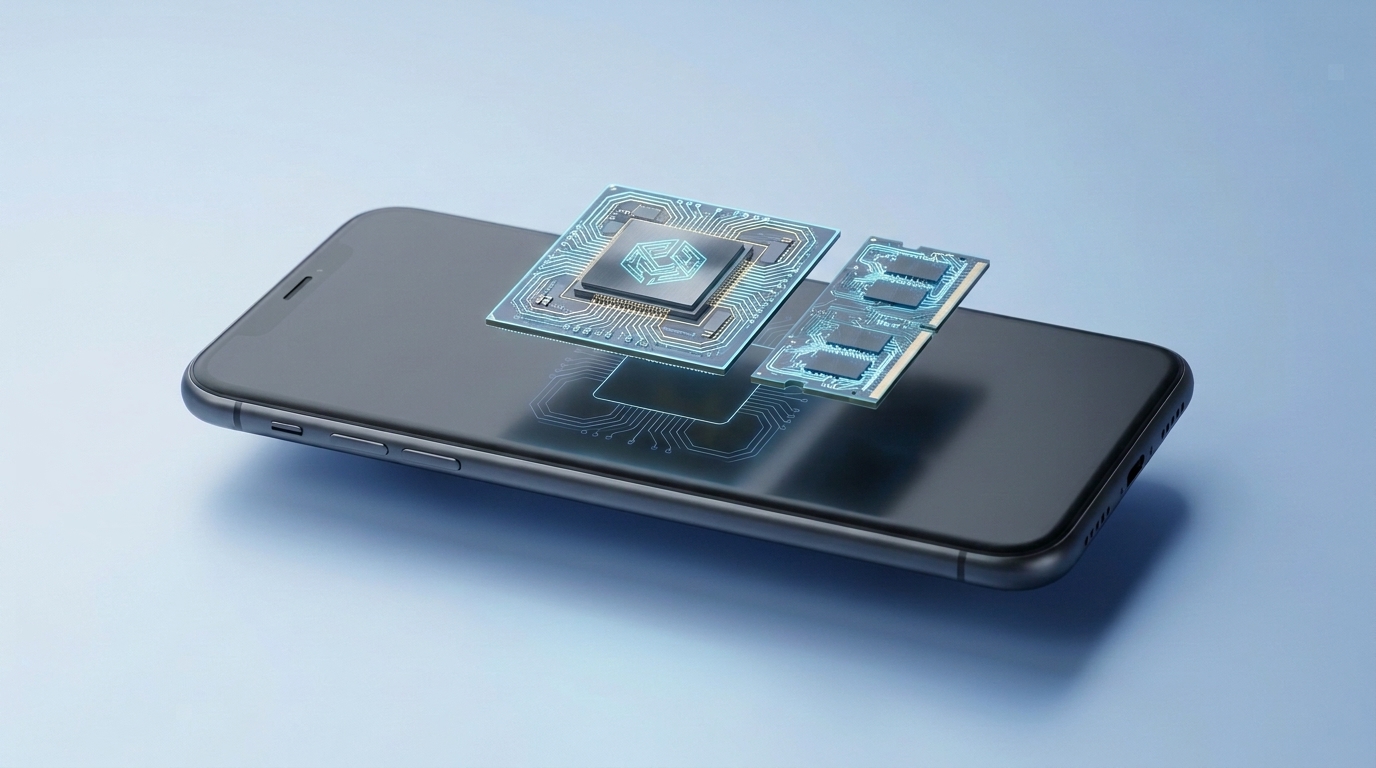
The chipset sets the ceiling for performance, camera processing and software support. RAM decides how much stays open. A mid-range chipset with 12GB feels better than a flagship chipset throttled by 6GB.
2. Display type and refresh rate
AMOLED beats LCD for contrast and always-on features. 120Hz makes scrolling smoother; 90Hz is a reasonable compromise. Resolution matters most below 6.5 inches — at HD+ on a 6.7-inch panel, text is visibly softer.
3. Battery capacity, then charging
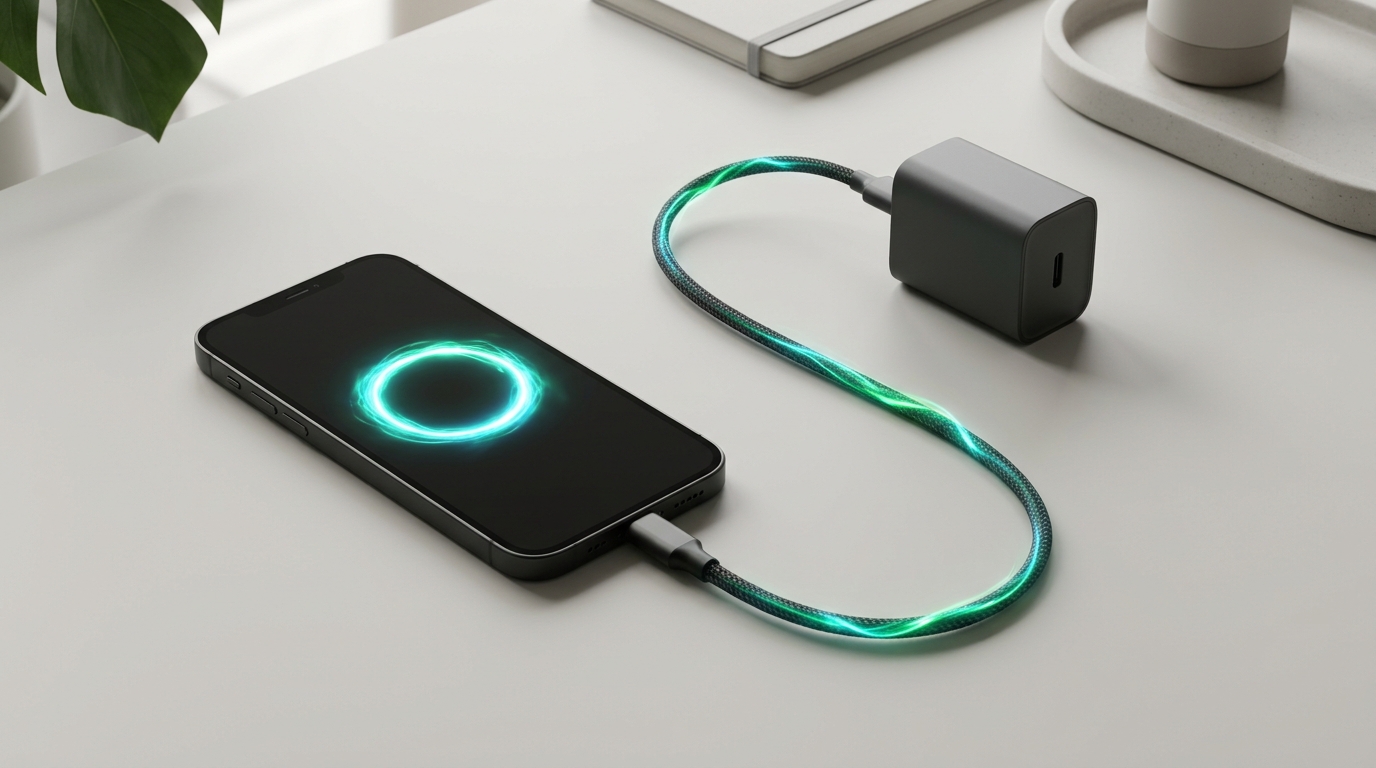
Look at mAh first. 5,000mAh is standard, 6,000mAh and above is a longevity play. Charging wattage is convenience, and it depends on the bundled charger.
4. Camera hardware, not megapixel count
Sensor size, aperture and optical stabilisation matter more than a 108MP badge. A 50MP main sensor with OIS usually beats a 108MP sensor without it.
5. Software support
Years of OS and security updates decide how long the phone stays safe and useful. Check the Operating System section on any phone page before you buy.