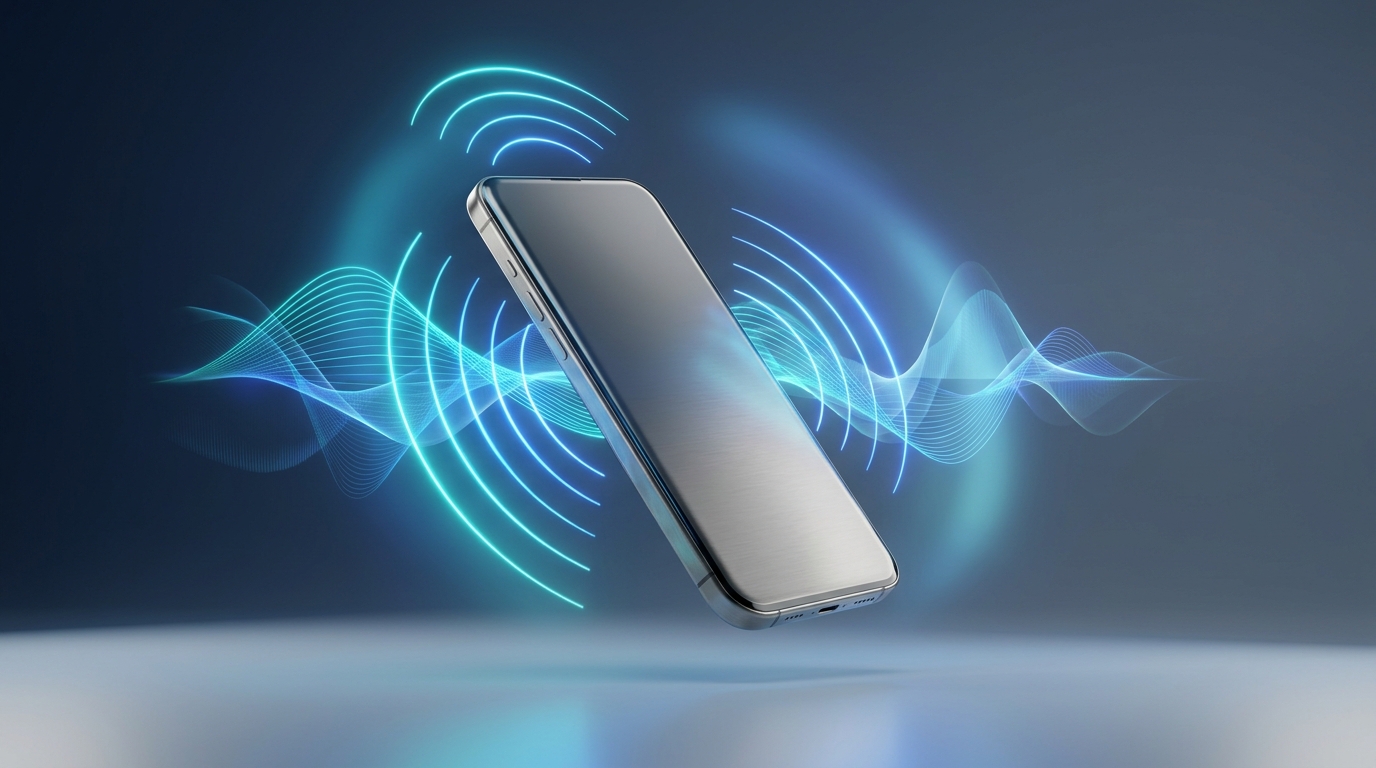
Every 5G phone lists a set of supported bands. More bands generally mean better roaming and more consistent coverage, but the headline number is not a quality score.
What a band is
A band is a slice of radio spectrum. Carriers own different slices in different countries, so a phone tuned for one market may not support another carrier's 5G at all. That is why imported models can show 5G hardware but fall back to 4G on your network.
Which bands to look for
In India, n78 (3.5GHz) carries most of the capacity, with n1, n3, n28 and n41 doing the coverage work. A phone that covers those is in good shape. Use our 5G phone list and open any model to see its exact band support in the Network section.
Sub-6GHz versus mmWave
mmWave delivers very high speeds over short distances and is rare outside the US. Sub-6GHz is what most of the world uses, and it is what most listings mean when they advertise "5G".
The practical check
Match the phone's bands to your carrier before buying, especially if you travel. If the bands match, more bands mostly help with roaming rather than everyday speed.